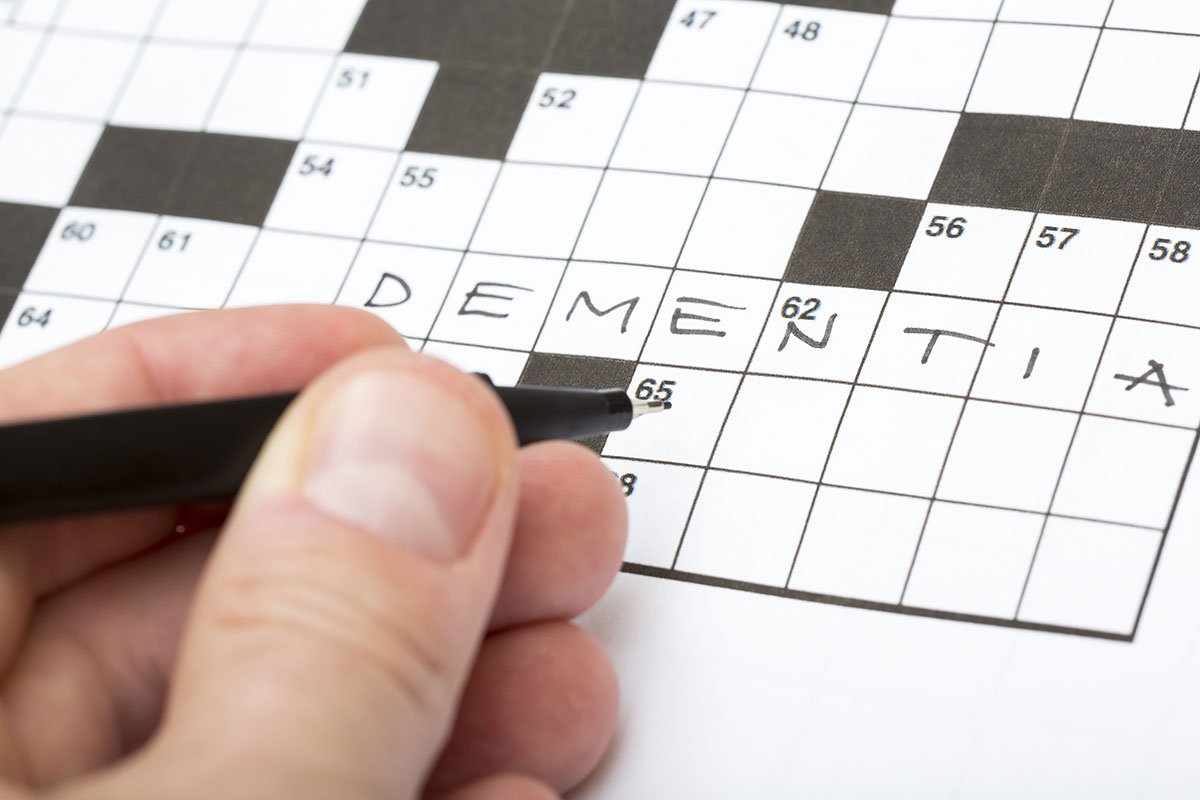
As people age, the risk of developing dementia increases significantly. An estimated 2.4 million to 5.5 million Americans are currently affected by this condition, which is marked by a decline in mental ability—most notably memory loss—that is severe enough to interfere with daily life. Alzheimer’s disease is considered the most common form of dementia.
In my work as a neurologist and neuroscientist, I see patients each day who suffer from some form of dementia. While no effective medication has been developed yet to halt the progression of Alzheimer’s disease or dementia, there’s promising news: There are known risk factors for dementia and concrete steps you can take in early adulthood to modify your risk of developing dementia later in life. An international study published last year in The Lancet suggested that about one-third of dementia cases could potentially be prevented by targeting these largely lifestyle factors.
Unsurprisingly, most of these health and lifestyle factors are also linked to other life-threatening illnesses and conditions, so I emphasize to my patients of all ages that by taking steps to address these factors now, you’ll also improve your overall health and decrease your chances of developing other chronic illnesses.
Get Moving
A lack of physical activity has been shown to be responsible for the onset of dementia and to contribute to three other risk factors: obesity, type 2 diabetes and hypertension. Whether you’re 35 or 75, it’s important to engage in regular aerobic activity, such as cycling or brisk walking (aim for 150 minutes per week or 30 minutes a day, five days a week) as well as strength exercises (two or more days a week, working all the major muscles). It’s never too late to start exercising and boosting the blood flow to your brain. Studies show that older adults who don’t exercise are less likely to maintain higher levels of cognition than those who do.
Eat Well
My standing advice is to “think Mediterranean” and shift to the diet that’s been linked to good health, including a healthier heart. Limit your intake of meats and dairy foods and instead, load up on vegetables, fruits, legumes, nuts, beans, cereals, grains, fish and unsaturated fats such as olive oil. In addition to feeling better, you’ll target symptoms of those known dementia culprits: type 2 diabetes, obesity and hypertension.
Treat Your Hypertension
Recent studies have shown that people whose high blood pressure goes untreated at mid-life are more vulnerable to developing dementia later in life. I constantly remind my patients to know their numbers. While a heart-healthy diet is one way to bring down your high blood pressure, you may also need to take an anti-hypertensive drug, such as an ACE inhibitor, to keep your hypertension under control.
Stop Smoking
There’s a two-fold reason for this risk factor for dementia: Smoking is more widespread in the older generation and it is linked to cardiovascular conditions and strokes. I can’t say this often enough: If you’re a smoker, take steps now to stop.
Treat Your Hearing Loss
The recognition of hearing loss as a risk factor is still new. Scientists believe that loss of hearing may stress an already vulnerable brain and/or lead to social isolation, which is another known risk factor for dementia. If you or someone you love is struggling with hearing loss, whatever your age, it’s important to get your hearing tested and then to use hearing aids if they are prescribed.
Be Social
As people age, slow down and their friends and family members move or pass away, it gets harder to stay in the social swirl. But it’s crucial to avoid social isolation, a risk factor for dementia and for other dementia-related risk factors (hypertension, heart conditions and depression). Recent research shows that loneliness (exacerbated by living alone) can actually lead to chemical changes in the brain that resemble brain changes in people with Alzheimer’s. So encourage your loved ones to build stronger, wider social connections through volunteer work, the local senior center or via regular phone calls with friends and family. If you suspect depression, take steps to get it diagnosed and treated.
Keep Your Brain Active
If you don’t use it, you’ll lose it. Read the newspaper each day and discuss what you’ve read with a spouse or friend. Join a book club or film discussion group. Work the daily crossword puzzle. Such informal “cognitive training” will help keep those synapses firing. And by building a “cognitive reserve” earlier in life, you may strengthen your brain’s networks so your brain can better function later in life, despite damage.
There are some risk factors for dementia that may be completely out of your control, such as genetics and family history. And while there are no guarantees that addressing the lifestyle risk factors outlined here will definitely keep you from developing dementia, taking action should improve your general physical health and mental well-being.
For more information on types of dementia, visit the National Institute on Aging.
Ejaz A. Shamim, MD is a neurologist with the Mid-Atlantic Permanente Medical Group.