For the first time, the Smithsonian Museum of Natural History will display a sample of Bennu, a carbon-rich, near-Earth asteroid that’s as wide as the Empire State Building is tall and may date back to the creation of the solar system 4.5 billion years ago.
NASA retrieved samples of the asteroid on the OSIRIS-REx mission.
“The OSIRIS-REx mission is an incredible scientific achievement that promises to shed light on what makes our planet unique,” said Kirk Johnson, the Sant director of the National Museum of Natural History. “With the help of our partners at NASA, we are proud to put one of these momentous samples on display to the public for the first time.”
The sample will be on display starting November 3. Visitors can see it exhibited in the Hall of Gems and Minerals, in the meteorite gallery, alongside models of the OSIRIS-REx spacecraft and the Atlas V 411 rocket that carried it.
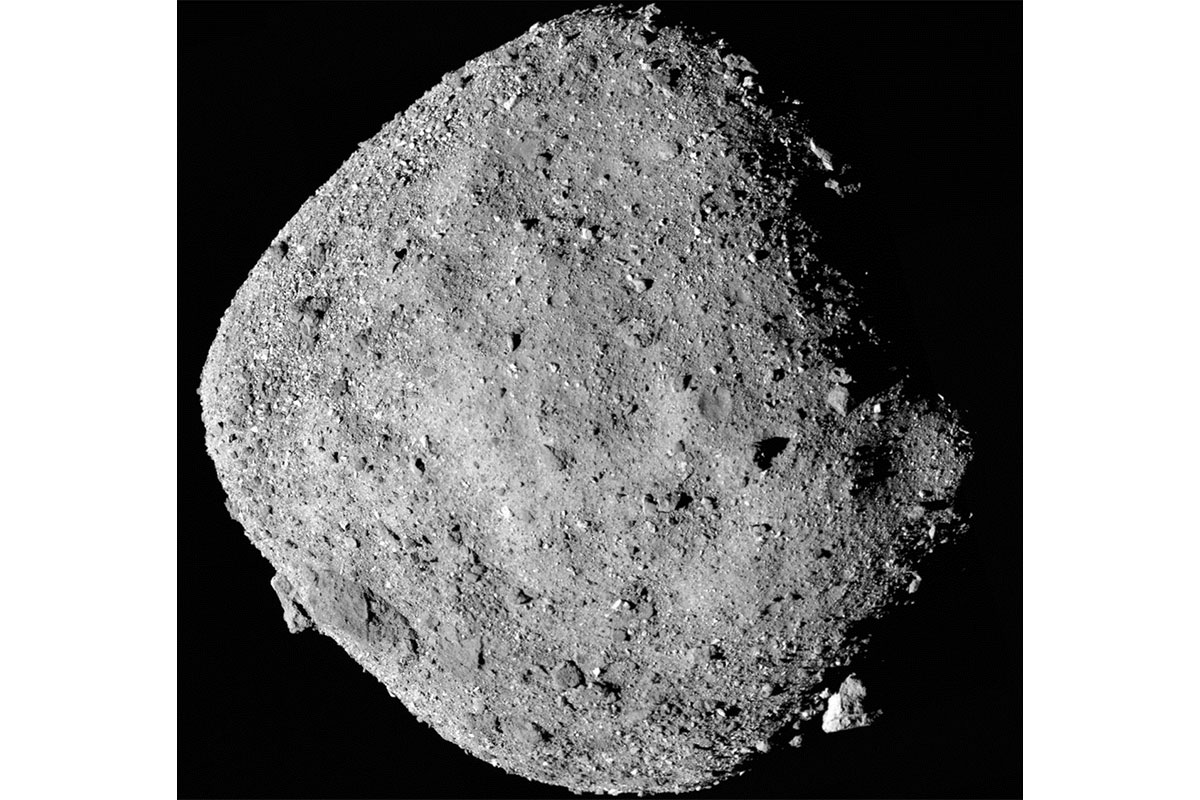
Bennu is shaped like a spinning top and orbits the sun between the orbits of Earth and Mars. The sample may “provide insights into how water and organic molecules first reached Earth,” according to a news release.
Scientists have already found evidence that the samples contain carbon and water-rich minerals. They speculate that similar asteroids may have made contact with the earth billions of years ago, forming the planet’s first oceans.
NASA spent two years mapping the exterior of the asteroid before extracting samples of rock and dust in 2020. OSIRIS-REx dropped the samples off to Earth in September and will now move on to another asteroid.
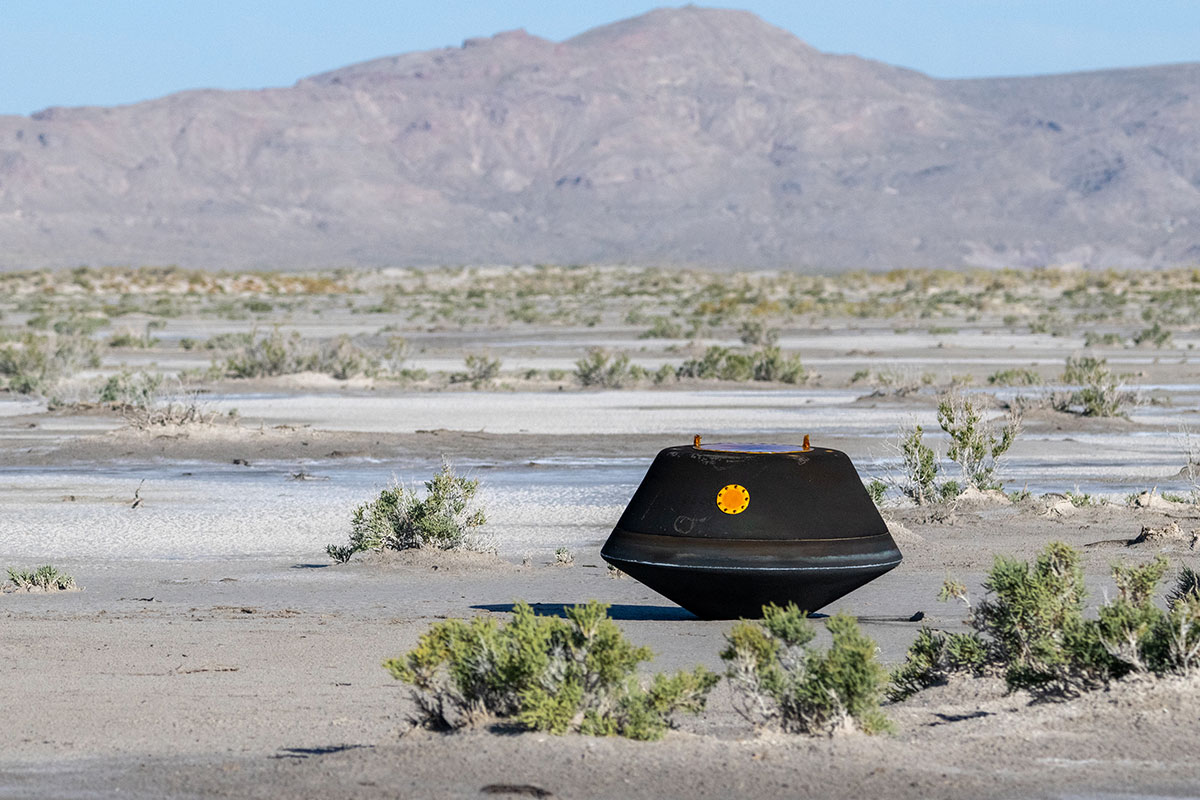
The samples entered the atmosphere off the coast of California before touching ground in Utah.
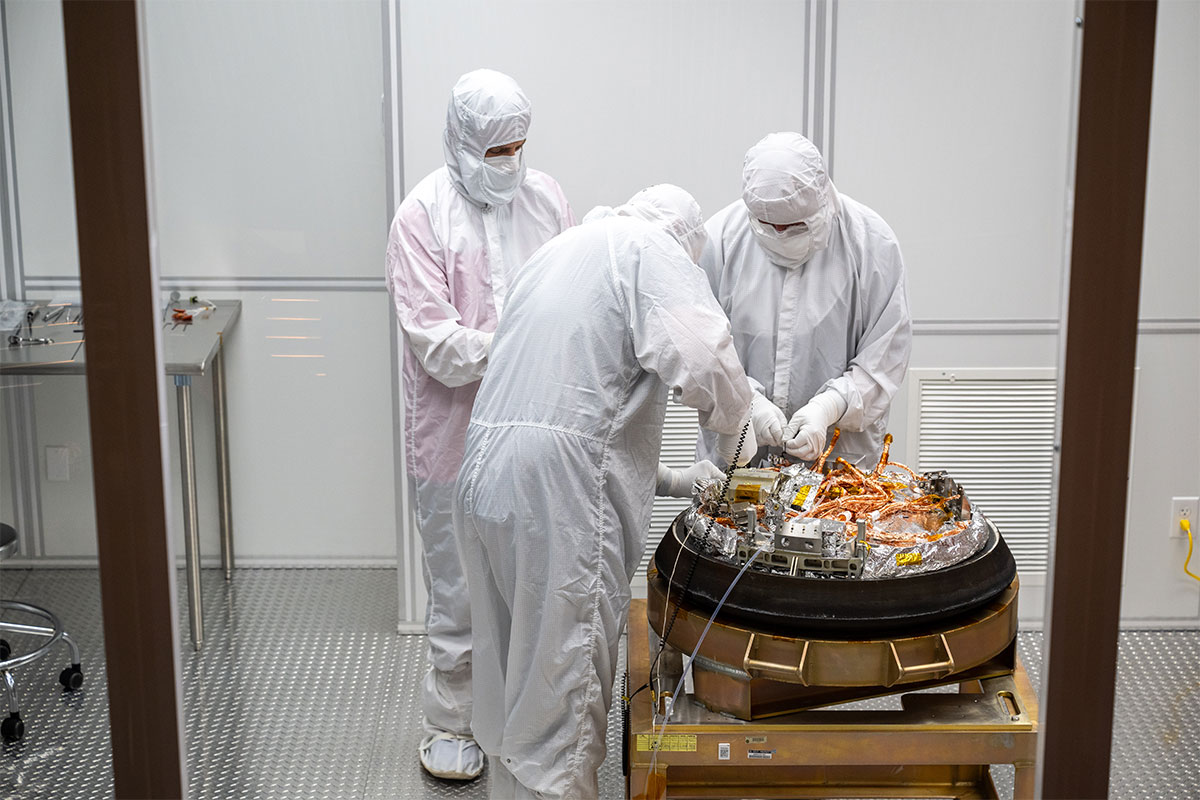
“Having now returned to Earth without being exposed to our water-rich atmosphere or the life that fills every corner of our planet, the samples of Bennu hold the promise to tell us about the water and organics before life came to form our unique planet,” said Tim McCoy, the museum’s curator of meteorites who has worked with the OSIRIS-REx mission.
The Smithsonian is the first institution to display Bennu samples. Additional samples will later be on display at the Alfie Norville Gem & Mineral Museum at the University of Arizona in Tucson and Space Center Houston.
The Smithsonian Museum of Natural History is located at 1000 Madison Dr. NW, Washington, DC. Admission is free, and it is open every day from 10 a.m. to 5:30 p.m., except December 25.
Feature image of sample return capsule after touching ground in Utah by Keegan Barber/NASA
For more stories like this, subscribe to Northern Virginia Magazine’s Things to Do newsletter.