By Christopher Hayes, MD, pediatric gastroenterologist at Children’s National Hospital, based in Fredericksburg
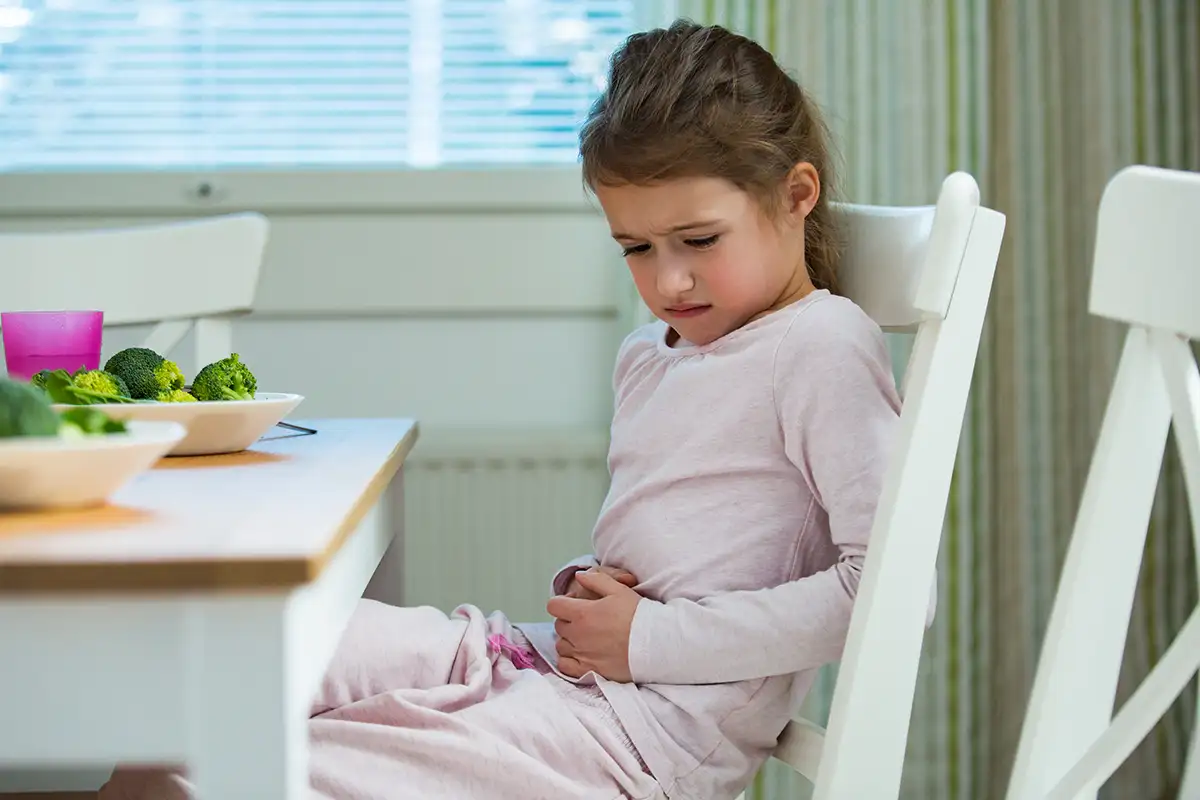
It’s hard to return to normal routines after the holidays, from resetting sleep schedules to jumping back into school and homework. One routine that often gets overlooked is eating habits. After days of extra sweets, carbs, and rich foods, many kids start complaining of stomach pain, bloating, or bathroom troubles.
For parents, the big question becomes: Is this just a passing stomach bug or could holiday eating be uncovering an underlying digestive issue?
The post-holiday period can be a helpful window for noticing patterns in your child’s digestive health.
Spotting Sensitives and Early Warning Signs
Certain sugars like lactose and sucrose need specific enzymes to be digested properly in the gut. When a child has difficulty breaking these down, eating a lot of them at once can overwhelm their digestive system.
The result? Stomach pain, bloating, reflux, diarrhea, constipation, or just vague, ongoing discomfort.
During the holiday, kids often eat more sugar and dairy than usual, like cookies, pie, ice cream, hot chocolate, and candy. For some children, that sudden increase can act like a test for their gut, revealing sensitivities or underlying digestive conditions that weren’t obvious before. In fact, many patients can point to a specific time, often a holiday season, when their GI symptoms first started.
Stomach Bug or Something More?
A stomach virus, often called a “stomach bug,” typically comes on suddenly and may include symptoms like vomiting or diarrhea. Symptoms will usually improve within a few days to about a week, and it can sometimes spread to others in the household. Kids may also temporarily feel sensitive to foods they normally tolerate, even after the virus passes.
If symptoms last longer that seven to 10 days or keep coming back after eating certain foods, this could be a digestive red flag. Some abdominal pain can also signal conditions unrelated to digestion, such as appendicitis, which is why persistent or worsening pain should never be ignored.
How to Manage at Home
If it seems like a stomach bug, follow common recommendations:
- Encourage frequent sips of fluids
- Start with small, bland meals and go slow
- Reinforce good handwashing habits
If you suspect an underlying digestive issue:
- Track symptoms and triggers
- Note when symptoms started and whether they repeat
- Pay attention to patterns, not just isolated episodes
While online research can help parents recognize potential food intolerances, avoid making major dietary changes, especially eliminating entire food groups, without medical guidance.
Most importantly, remember to trust your instincts as a parent. For young children, it can be hard to tell whether stomach complaints are minor or meaningful. Many parents hesitate to seek care for fear they’re overreacting. If something feels off, it’s always appropriate to check in with a pediatrician or seek urgent care for an objective evaluation.
The Bottom Line
It’s tempting to preemptively cut out foods when a child has stomach problems, but unnecessary restrictions can sometimes create bigger problems, including nutritional gaps or increased food anxiety.
If digestive issues appear after some holiday indulgence, use that information as a clue rather than a cause for panic. As the holidays wind down, focus on getting back to balanced meals and routines so you can spot any issues early and keep kids feeling their best.
Want to hear more from Children’s National experts? On The Lead in Peds podcast, pediatric leaders share the stories and science behind the breakthroughs improving children’s health.
Feature image, stock.adobe.com