Kids may not want to hear it — adults might not be too pleased either — but schools will reopen before you know it, and an area sleep expert says it’s time to start thinking about bringing children back to a school-year sleep schedule.
“It’s very important a couple of weeks before school starts to set the child’s bedtime,” says Dr. Keisha Sullivan, a sleep physician at Kaiser Permanente.
No one can suddenly go to bed hours earlier than they have been for months, Sullivan says, so it’s important to start early so the change can be gradual. How gradual? “Every couple of days, move it 15 minutes earlier,” Sullivan says.
“This isn’t something that you want to do overnight, it’s going to take some time for them to adjust.”
While it’s recommended for adults to get up to eight hours of sleep per night, the number for teenagers can be between eight and 10 hours per night. Children ages 6 to 12 should be getting about nine to 12 hours of sleep per night, she adds. (Infants should be getting 14 to 17 hours of sleep per night, Sullivan says.)
How to Wind Down
It’s pretty well known what kids shouldn’t be doing right before bed — eating, texting, watching TV — but a recent study finds some beneficial pre-bedtime activities that you might not expect.
A Brigham Young University study found that adolescents between 15 and 18 got to sleep faster “if they were involved in activities that were more mentally stimulating prior to bedtime,” Sullivan says. Those activities include sporting activities or practices, talking with their parents, or doing homework. “It makes sense — the more that your body is physically exhausted, [and] you’re mentally exhausted, it should be easier for you to fall asleep.”
While it might seem as though stimulating your mind would leave your brain revving while you’re trying to sleep, Sullivan says the mental exertion — “just using your mind, challenging yourself” — normally makes people more tired. And while talking with one’s parents might seem to be similar to talking with one’s friends, Sullivan theorizes that that’s not the case.
“With friends, you tend to talk about things that are more superficial. With family members, they’re probably asking you how your day went, forcing you to think about things that you need to do over the course of the week. Sometimes it is difficult speaking with our parents, but we tend to have more meaningful conversations.”
The Need for Sleep
Sullivan reiterated the importance of sleep in children’s development. Teenagers’ bodies and hormones are changing, “and they tend to fall in that delayed sleep phase cycle, which also makes it difficult for them to fall asleep at the appropriate time,” she says. “So it’s really important that parents make sure children stay on routines, make sure that they limit their screen time, limit any type of electronics prior to bedtime.”
She also suggested taking a trick from the morning and setting an alarm for about an hour before bedtime. “That way, everybody knows that it’s time to wind down.” During the summer, she adds, you’ll also want to close the curtains before it gets dark to help in the process of cooling the house down for good sleeping.
Young people’s preferred sleep and wake time will continue to advance as they age even past their teens, says Natalie D. Dautovich, an associate professor of psychology at Virginia Commonwealth University and an environmental fellow at the National Sleep Foundation. “Their natural sleep/wake schedule will shift later until it reaches peak lateness in their early 20s,” she says in an email. “Therefore, it’s helpful to keep in mind sleep duration needs as well as their natural sleep timing preferences when planning for school start times.”
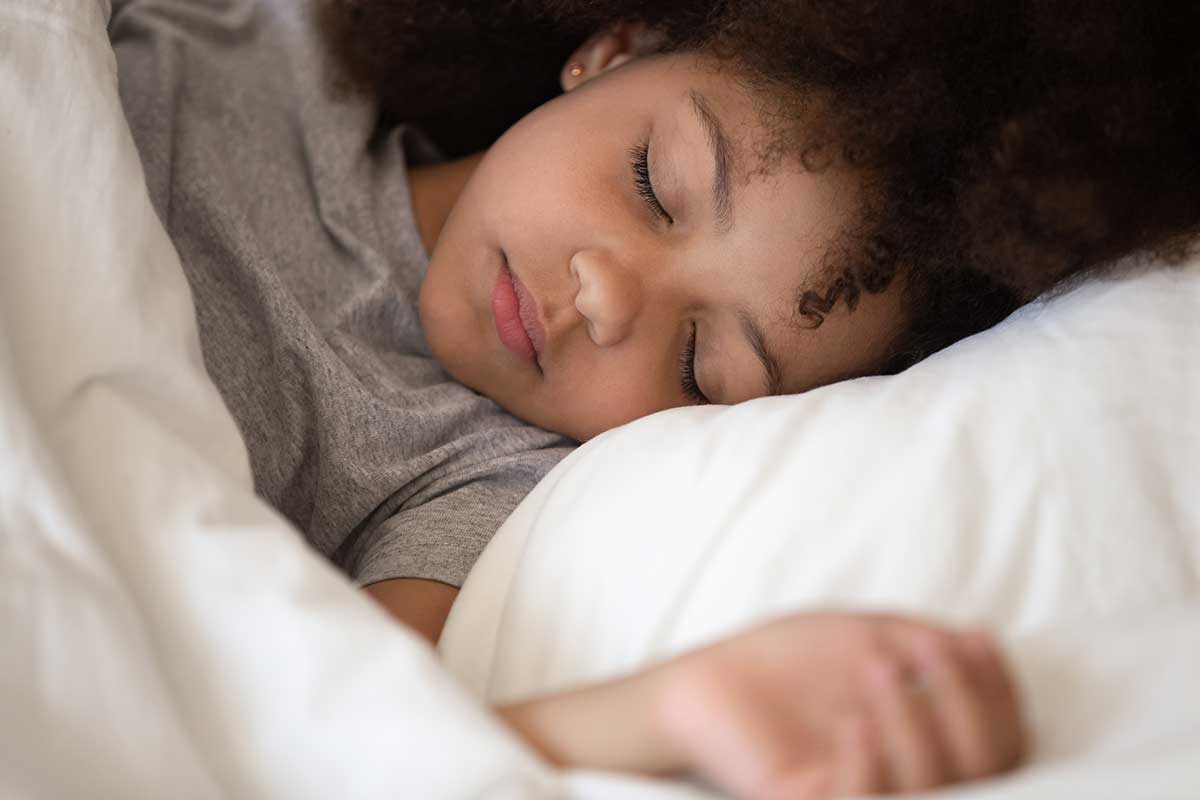
Feature image, fizkes/stock.adobe.com
For more stories like this, subscribe to Northern Virginia Magazine’s Family newsletter.