A piece of legislation that would have established Historic Oak Hill State Park in Loudoun County has failed in the state senate. Advocates of the bill are now hoping a budget amendment will keep the plan alive.
The senate Finance and Appropriations Committee killed HB2306, which would have allowed for the creation of Historic Oak Hill State Park. The 1,240-acre property in Loudoun County was previously home to President James Monroe.
Historic Home
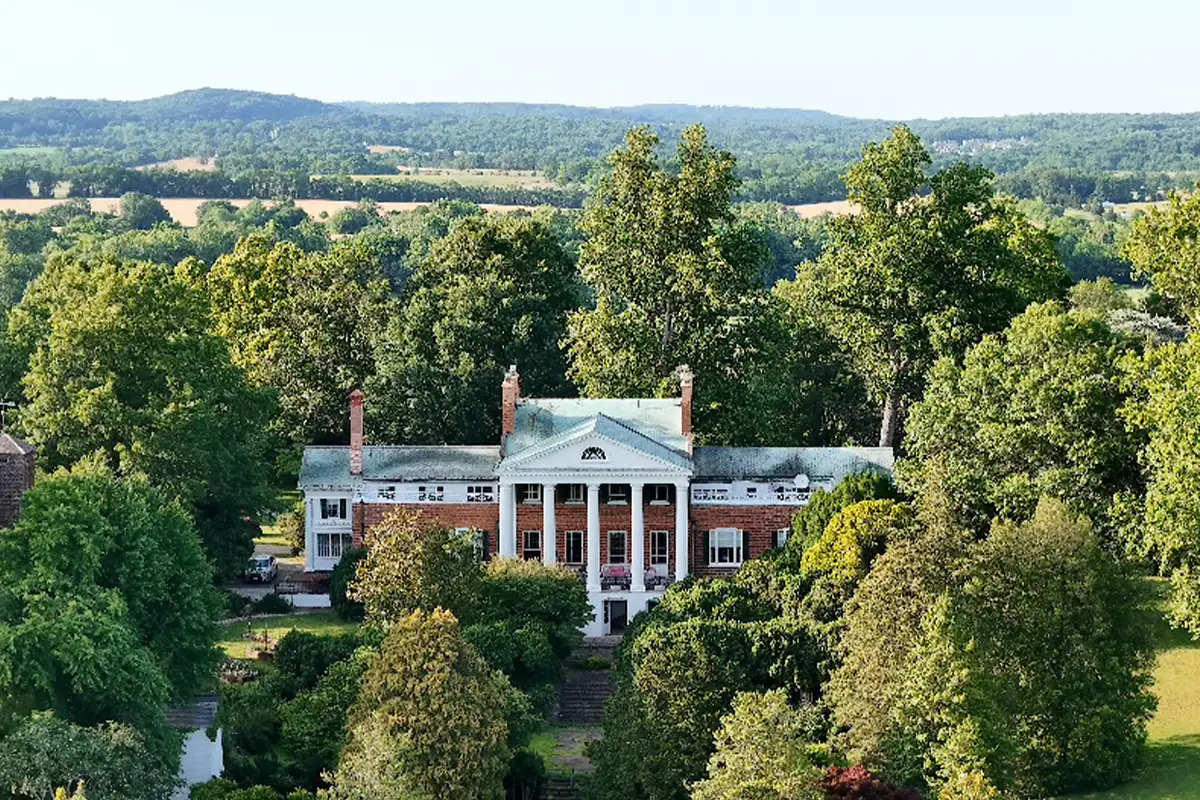
Monroe, known for creating the Monroe Doctrine, acquired the land in 1794 and completed construction in 1823. It encompasses forestland, fields, and a mansion where the Founding Father lived. It is the only home of a Founding Father that is still privately owned.
The current property owners, the DeLashmutt family, wanted to sell the land to Virginia at a discounted rate. The potential state park could include hiking, fishing, equestrian trails, and cultural education opportunities.
Loudoun County’s Board of Supervisors already approved $22 million in funding for the land. And preservation groups have created a $20 million trust fund to maintain it, The Washington Post reported.
The Conservation Fund, a preservation group that is backing the project said in a news release that “creating this park would not impact the state budget bottom line.”
Oak Hill’s ‘Last Hope’
Now that the bill has failed, The Conservation Fund’s “last hope” is that Gov. Glenn Youngkin will propose a budget amendment to create Historic Oak Hill State park. The governor has 30 days starting March 1 to create an amendment.
“This isn’t over. While we’re incredibly disappointed the General Assembly didn’t fully recognize the potential of the incredible gift that’s being offered in Oak Hill, we are continuing to work with the Youngkin Administration and members of the General Assembly to bring what would be a truly incredible state park to fruition. The time is right for Virginia to permanently honor President James Monroe by protecting Oak Hill,” said Heather Richards, The Conservation Fund’s lead on this project.
Feature image of Oak Hill courtesy The Conservation Fund