When it comes to managing finances, there’s a lot to think about, from early-career savings strategies to getting ready for retirement. Luckily, NoVA’s wealth manager and financial advisers are here to help you understand your finances and plan for your future. Four of NoVA’s top professionals answer key questions about savings, investment, and more.

Yusuf Abugideiri
What should you be doing about planning for retirement in your 20s? 30s? 40s? 50s?
Start saving for retirement today. No matter what age you are, if you haven’t started, start today. No amount is too small. The most important piece is starting as soon as possible to maximize the number of compounding periods your savings can experience.
What is your advice for someone with a 401(k) to maximize benefits?
At the very least, contribute an amount that will enable you to receive the full match if one is offered. Free money should never be passed up.
When do you need to start planning ahead to enroll in Medicare?
We send our clients information about the Medicare enrollment process six months ahead of their 65th birthdays, which is three months before they can sign up.

Frederick Baerenz
What is your advice for someone who wants to invest but doesn’t know where to start?
Just getting started with 401(k) contributions, an IRA, and a reserve account with as little as $50 per month is a good beginning. A basic risk tolerance questionnaire can provide a model portfolio of stock and bond index funds.
What are some common mistakes first-time investors make?
Trying to time the market. Buying high and selling low is a recipe for failure. Behavioral finance documents that average investors are more aggressive when markets are gaining and then too conservative when markets dip. This leads to frustration, feelings of inadequacy, and lower returns over time. It can be cured by investors staying disciplined with a systematic investment strategy, also known as dollar-cost averaging.
Trying to “guess” on individual stocks. Risks are much higher for individual stocks than blended ETFs or mutual funds.
Failing to budget for future goals and emergencies and “raiding” retirement/long term accounts for “wants.” First-time investors need to understand how to take advantage of their money working for them and gain exponential growth by harnessing power of the “Rule of 72” for compounding returns.

Eileen O’Connor
Hemington Wealth Management, Falls Church
What do you need to do to plan for retirement when you’re just starting out in your career?
We tell the adult children of our clients just starting out to live beneath their means (allowing space for saving), make sure you are maximizing employer benefits like the 401(k) employer match, and take advantage of savings into Roth accounts while you are in a low tax bracket to build up tax-free savings. We also remind young professionals to not make the mistake of foregoing savings to pay down student loans (depending on the interest rates); it’s important to do both.
How early do you need to start planning for college savings?
Day one! Because the benefit of 529 savings plans are tax-free earnings, the longer the timeline for growth the better. In addition, once a child is born, the investment timeline is 18+ years, so you can be more aggressive at younger ages and accumulate more. Given the cost for higher education, starting as early as possible can give you the best chance of being prepared when the time comes for those large bills.
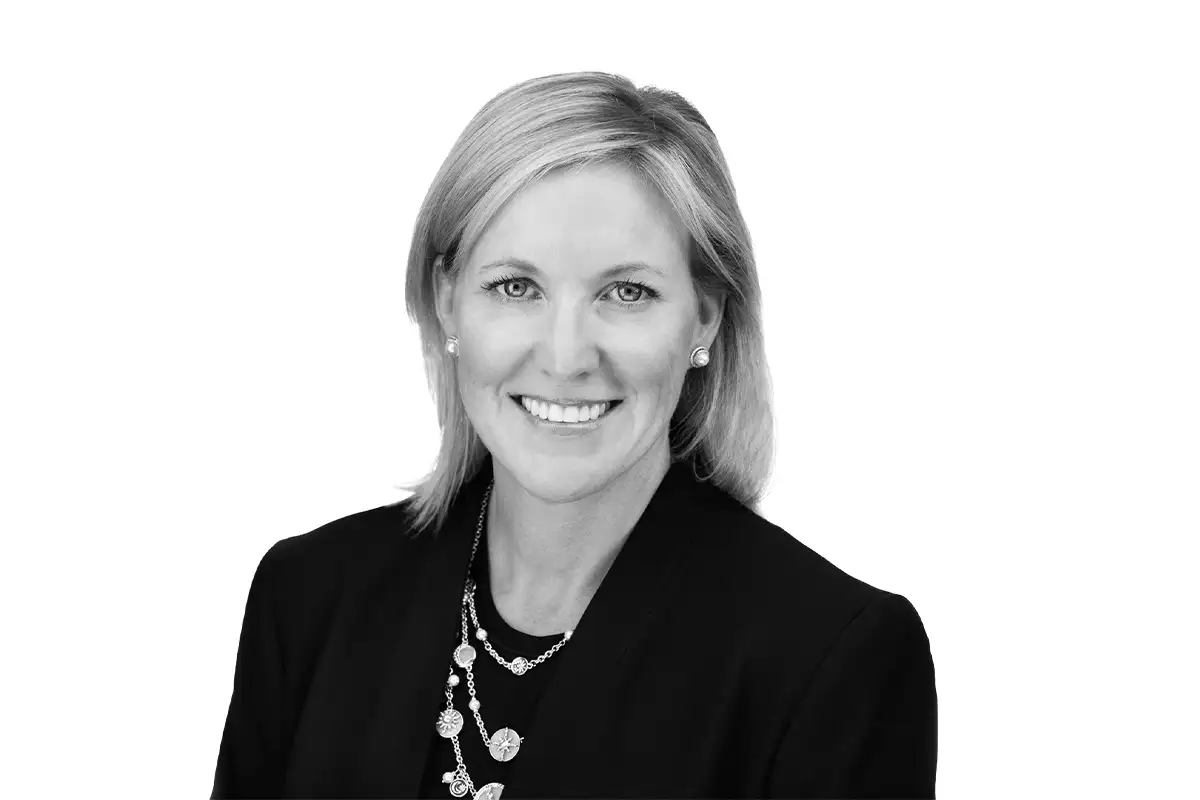
Jessica Wunder
McLean Asset Management Corporation, Tysons
What should you look for in finding an investment adviser who’s a good fit?
First, look introspectively. What do you need help with? Was there a triggering event — retirement, children, marriage, divorce, death, etc.? Look for an adviser that may specialize in that area. First and foremost, I would look for an adviser that holds their CFP. From there, look at other credentials they hold. Review their skills — do they match your needs?
How can I determine when I can retire and how much money I’ll need? What factors do I need to consider?
A budget is the first step. Then break that down to fixed expenses and discretionary expenses. From there, add in contingency planning, any legacy planning/gifting, health care, long-term care needs. It can be overwhelming without help.
Feature image, stock.adobe.com
This story originally ran in our September issue. For more stories like this, subscribe to Northern Virginia Magazine.