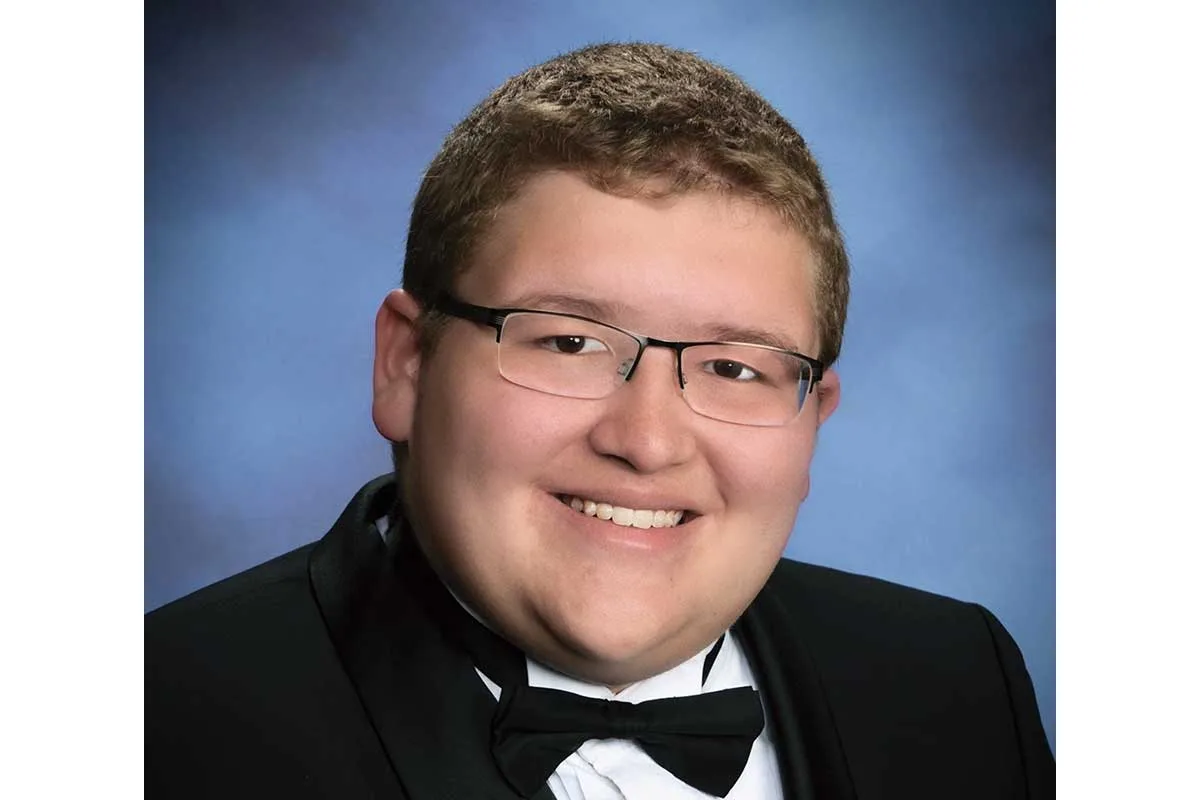
For Eric Oakes, the story of his son Adam has never been only about how he died. It is about who Adam was before that night — and what his family hopes his life can mean to others.
Adam was 19, a college freshman from Potomac Falls, when he died in February 2021 following a fraternity hazing incident at Virginia Commonwealth University in Richmond. His death devastated his family. It also set them on a path advocating for changes to the laws and culture surrounding hazing.
4000 Days Documentary
Now Adam’s story is reaching a national audience through 4000 Days. The documentary that follows three families whose sons died in fraternity hazing incidents — and the years they spent pushing for federal anti-hazing legislation.
The title refers to the roughly 4,000 days the families spent working to bring federal anti-hazing legislation across the finish line.
The film had its world premiere at the Tribeca Film Festival this summer. It’s being screened at theaters and college campuses around the country.
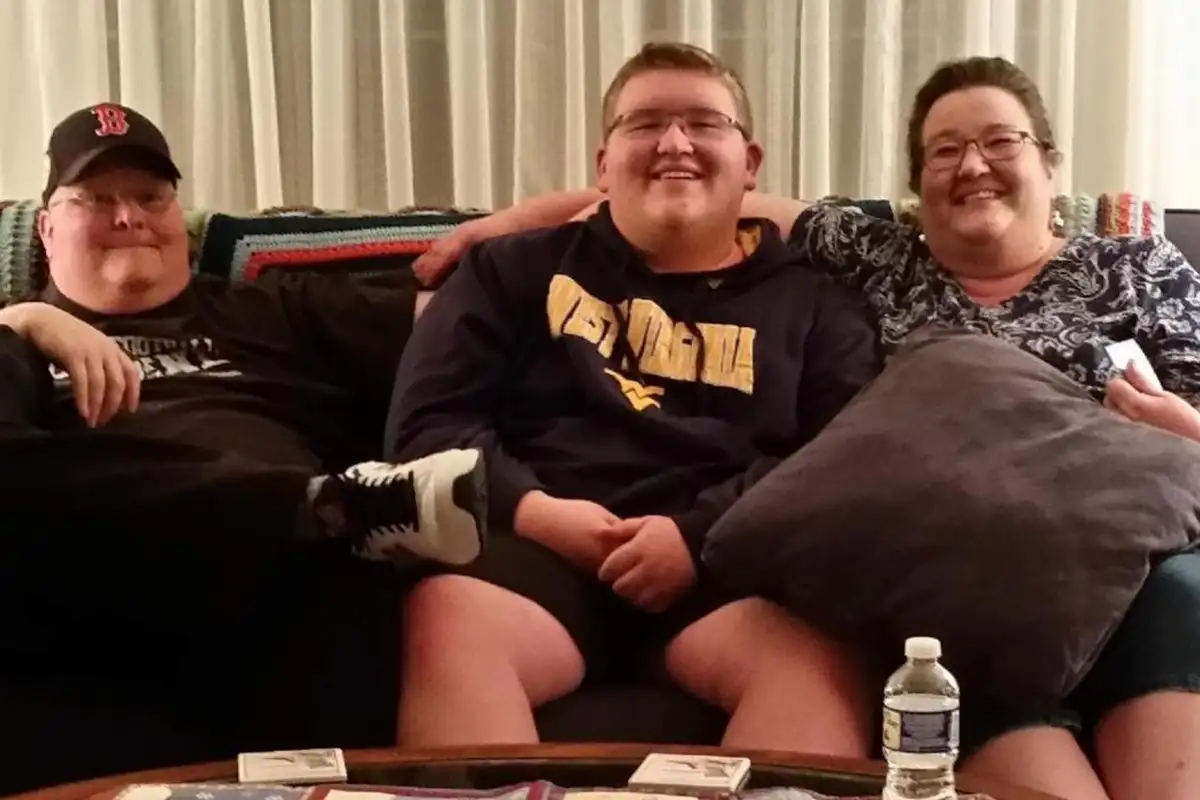
For the Oakes family, seeing Adam’s story become part of a larger conversation is both meaningful and difficult.
“Our hope was that kids start treating each other better,” Eric says. “That was our main hope — that no other kid dies, and parents don’t have to go through what we’re going through. Make us one of the last families that have to go through this.”
But before Eric and Linda Oakes’ only child became part of a national conversation about hazing, he was a son who, his father says, had a knack for making the people around him better.
“He really did,” Eric says. “Linda and I always say he made us better people.”
Hazing Advocacy
Adam died after an alcohol overdose during a fraternity hazing incident involving Delta Chi at VCU. In the aftermath, the Oakes family began pushing for changes in Virginia, including legislation requiring hazing-prevention education and greater transparency around hazing incidents.
The family also learned just how little they had understood about hazing before Adam’s death. “I didn’t really understand how dangerous it was,” Eric says. “I just thought hazing was maybe humiliation stuff, streaking through the quad, eating gross stuff, something like that.”
What he learned was very different.
“I didn’t know it was coercion to drink an entire bottle by yourself to be included in a group,” he says. “And that’s what hazing is.”
Virginia Sen. Jennifer Boysko worked with the Oakes family on the legislation. She says their advocacy has extended far beyond Adam’s death. “Adam Oakes’ family has used their tragedy to save other families from harm,” Boysko says. “We worked together to pass the first hazing prevention education bill for college students and faculty in the nation, Adam’s Law, and then a companion hazing prevention education law for middle and high school students.”
Advocacy and Education
Virginia now requires research-based hazing-prevention instruction for students in ninth or 10th grade. Boysko says she has watched Eric and his wife, Linda, become a source of support for other grieving families.
“I’ve watched Eric and Linda embrace other grieving families throughout,” she says. “They have carried themselves with dignity and compassion through this important work.”
The work eventually extended beyond Virginia. Through the Love Like Adam Foundation, the Oakes family continues Adam’s legacy through hazing-prevention education, advocacy, and support for other families affected by hazing.
The federal Stop Campus Hazing Act was signed into law in December 2024. It requires colleges to include hazing incidents in annual security reporting and provide greater transparency around campus hazing. But for the Oakes family, legislation was never the finish line.
“No, no, no, no,” Eric says. “We’re just getting started.”
Five years after Adam’s death, his name is now part of a national conversation about hazing. But for the Oakes family, the work remains deeply personal. It is driven by the hope that another family won’t have to learn about hazing the way they did.
4000 Days offers the Oakes family another opportunity to tell Adam’s story. And not just as the story of a young man who died — but as the story of a family determined to keep others from experiencing the same loss.