
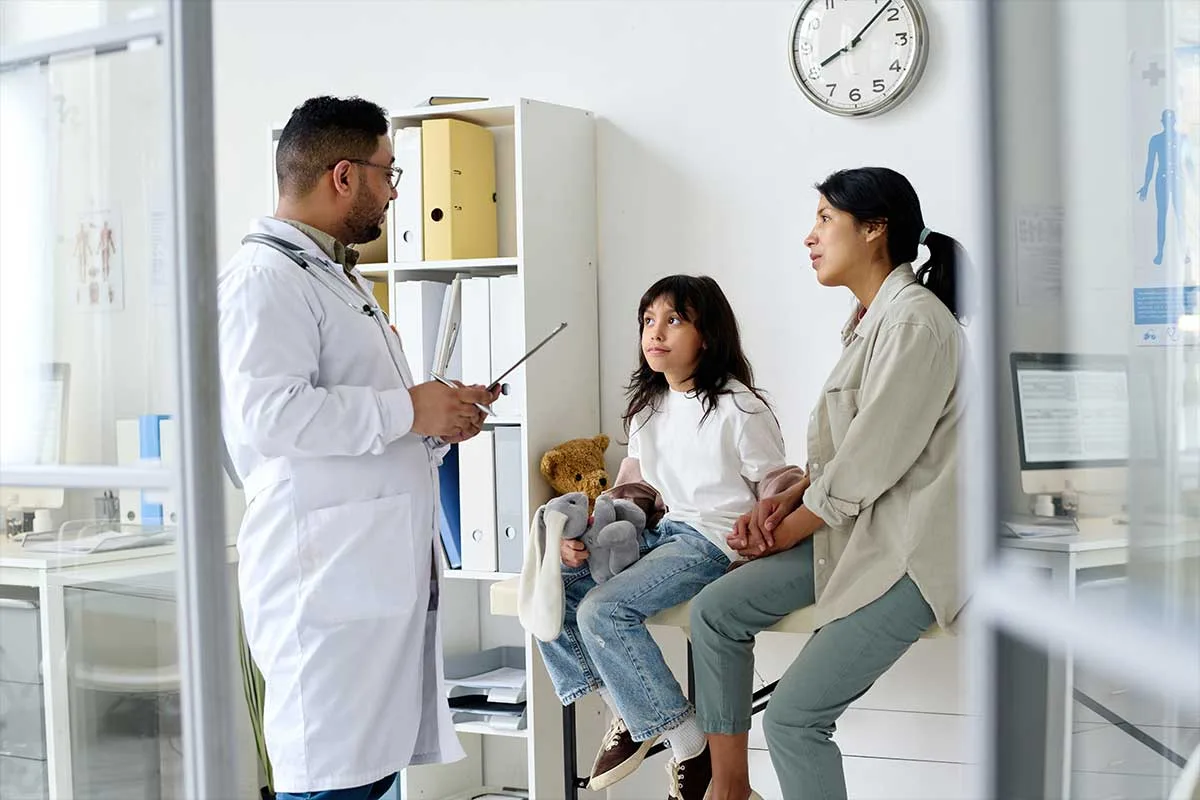
Hearing that a child or young person has cancer is news no family is ever prepared for. Whether it’s your own child, a grandchild, a neighbor, or a close friend, that moment can feel overwhelming, bringing a flood of emotions, questions, and uncertainty about what comes next.
A cancer diagnosis can turn daily life upside down in an instant. Amid the fear and confusion, it’s important for families to know they do not have to navigate this journey alone. Support extends far beyond medical treatment, reaching into the emotional, practical, and everyday challenges that often accompany a diagnosis.
During Childhood Cancer Awareness Month this September, the message from the healthcare professionals who walk alongside these families every day is simple but powerful: help is available, hope is real, and no family should have to face childhood cancer on their own.
The first few days
One of the most challenging parts of a cancer diagnosis is the moment families first hear the news. Some describe feeling numb, while others find themselves focused on gathering information right away. In those early conversations, families are often reminded to take a breath and give themselves grace as they process such life-changing news.
Healthcare teams often guide families through those first difficult discussions by asking simple but important questions: What’s going through your mind right now? What are your biggest questions? Who would you like to have by your side as we talk through this together?
Just as important as processing the news is assuring families that cancer care is not something they must carry alone. Alongside the doctors, nurses, and specialists providing treatment, there are social workers, psychologists, local groups, and many others dedicated to helping children and caregivers through every stage of the process.
Talking to children about cancer
When a child is diagnosed with cancer, how much information to share depends on their age, developmental stage, and personality. Younger children may need simple explanations, while older children and teens often want more detailed information. Many families fear that talking to their child may scare them, but in reality, often a child’s biggest fear is “What is my family not telling me?”
A cancer diagnosis affects the whole family, including siblings, who may feel scared, confused, left out or have a desire to jump in with a helping hand. Parents often juggle treatment schedules while trying to maintain routines and emotional connections for their other children.
Perhaps most importantly, families should remember to be gentle with themselves. There is no perfect way to navigate a cancer journey.
More than medical treatment
Cancer care involves far more than medicines, procedures, and hospital visits. Today’s pediatric cancer programs often rely on a team-based, wraparound care approach that includes multiple disciplines. Alongside physicians, families may interact with nurses, psychologists, social workers, research teams, pharmacists, child life specialists, nutritionists, and educators.
Every child and family is different, and each may need different types of assistance throughout treatment, from psychological counseling and support with learning how to take medications to assistance connecting with resources or navigating practical challenges.
This coordinated approach becomes especially important when children need care from multiple specialists. If appointments with cardiology, endocrinology, neurology or other teams are needed, care coordinators often work behind the scenes to streamline the process. The goal is to ease as much of the burden as possible, allowing families to focus their energy where it matters most: on their child and on one another.
It takes a village
Cancer affects every aspect of a child’s life, which is why support often comes from many different places.
Partnering with schools
School is often one of the first concerns families raise after a diagnosis. Every family approaches communication differently, but healthcare professionals generally encourage parents to share at least some information with their child’s school. Doing so can help teachers, counselors, and administrators better understand a student’s needs and provide appropriate accommodations as well as develop support within peer groups.
Many pediatric hospitals also have education teams that work directly with schools, helping coordinate homebound instruction when necessary and easing the transition back to the classroom after treatment.
Showing up for families
Friends, neighbors, and extended family members often want to help but aren’t sure the best way to. Sometimes people avoid discussing cancer because they worry about saying the wrong thing, but avoiding the topic can feel isolating.
Instead of searching for the perfect words, try leading with honesty and compassion with phrases like, “I don’t have exactly the right words, but I’m thinking of you and wondering if this type of support may be helpful.”
By offering practical assistance, community members can reduce the day-to-day burdens families face as they care for a child with a weakened immune system and navigate the side effects of cancer treatment. A few thoughtful ideas include offering meals, helping with transportation, assisting with household tasks, or finding ways for a child to safely participate in activities.
For many people, supporting a family through cancer means confronting one of their greatest fears: the possibility of a child facing a life-threatening illness. Taking time to acknowledge those feelings within yourself can help loved ones show up in a more genuine and helpful way.
Support from other organizations
On both the local and national level, organizations work every day to connect families with resources that can ease the challenges of treatment.
These programs may provide camps, after-school activities, sibling programming, meal delivery services, transportation assistance, temporary housing, financial aid, or opportunities to connect with other families facing similar experiences. Across Washington, DC Maryland, and Virginia, families can access a wide range of services designed to help ease the practical and emotional challenges of treatment.
While no resource can completely eliminate the challenges of a cancer diagnosis, these services can provide meaningful relief and remind families that help exists beyond the hospital setting.
A shared mission
Supporting children with cancer takes more than medical expertise. It takes collaboration among healthcare teams, schools, community organizations, friends, and neighbors who are committed to helping families navigate an incredibly difficult journey.
Through the Cancer and Blood Disorders Center at Children’s National, a range of resources are available to patient families to help ease the burden of care by coordinating services across the health system, local providers, and other care partners.
This shared-care model keeps care as close to home as possible while keeping the child and family at the center of every decision – because while childhood cancer can be an incredibly difficult journey, families are strongest when they are surrounded by a community that walks beside them every step of the way.
By Christina Wiedl, DO, oncologist and blood and marrow transplant specialist at Children’s National based in Northern Virginia.
Want to hear more from Children’s National experts? On The Lead in Peds podcast and Rise and Shine blog, pediatric leaders share the stories, science, and practical tips shaping children’s health, from major breakthroughs to everyday care.
Feature image,