A historic Northern Virginia park has been flagged as one of the country’s most endangered public lands. Outside magazine listed Manassas National Battlefield Park as No. 5 on its 2026 list of the 10 most at-risk public spaces.
The magazine stated that the main threat to the park is the massive Prince William Digital Gateway data center complex. The complex would border Manassas National Battlefield Park near the site of the 1862 Second Battle of Manassas.
The Digital Gateway project, which includes 37 data centers, was approved by the Prince William County Board of Supervisors in 2023. If completed, it will be the largest data center complex in the world.
Digital Gateway Opposition
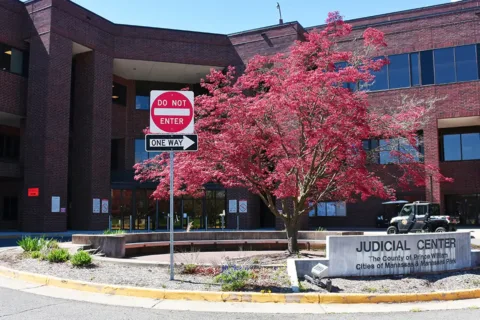
Two lawsuits have been filed opposing the Digital Gateway. In one, a collection of 12 Oak Valley residents challenged the rezoning of the land for data center development. They argued that the county’s hearing notices in The Washington Post did not comply with state or county requirements. They also argued that relevant materials were not available to the public when the ad was first published. Prince William County judge Kimberly Irving ruled in the plaintiff’s favor in August 2025.
In the second lawsuit, a judge ruled that the Digital Gateway project could advance; the plaintiffs appealed.
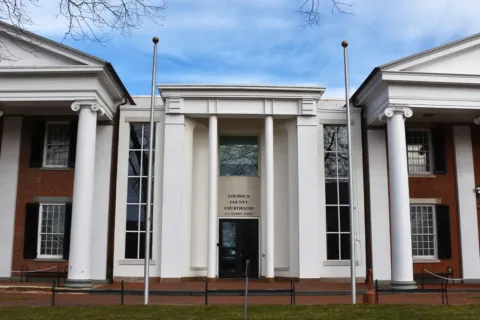
Because of the similarities in the two suits, Virginia’s Court of Appeals opted to combine oral arguments in a unified hearing, which took place on February 24. The verdict is pending.
Outside quoted Kyle Hart, mid-Atlantic senior program manager for the National Parks Conservation Association. “Our hope is that projects like the Digital Gateway do not get built,” Hart said. “We are willing to fight tooth and nail, or the developers can make the responsible choice that some places are too precious to build data centers. Any state considering data center development needs to pass reforms, improve government transparency, and accountability. As data centers are built, we need to be accounting for environmental impacts, whether that’s new power plants, power lines, or impacts to water.”
Feature image, Zack Frank/stock.adobe.com