The phone at the Virginia Department of Agriculture and Consumer Services (VDACS) has been buzzing off the hook, according to Elaine Lidholm, the office’s director of communications.
She has yielded dozens of phone calls that have streamed in since the June 17 public announcement of the return of the Beehive Distribution Program, a government-funded project that offers free beekeeping equipment to residents across the state.
“This is one of those rare opportunities where there’s actually good news,” Lidholm says.
Not to mention the announcement was made at the beginning of one of the office’s busiest weeks of the year, Virginia Pollinator Week (June 17 to 23), where VDACS was responsible for using the week-long campaign to spread awareness about the state’s pollinators and educating residents of the impact they have on everyday life. (Although, Lidholm says, they do that year-round).
Now, Virginia residents are eager to get involved.
Starting on July 1, the VDACS will begin taking applications for the beehive program in hopes of creating a win-win situation: create more knowledgeable bee advocates and beekeepers (with no initial financial investment), and ideally, the state will have stronger pollinator populations in upcoming years.
The office is set to receive $125,000 from the General Assembly, which it will use to buy proper startup equipment and materials for budding beekeepers across the state, then distribute to accepted applicants in the fall.
The idea to make beekeeping more accessible wasn’t new, but the process was. It’s now in its second year thanks to its popularity in 2018.
“We used to do a reimbursement grant for residents to start their own hives, but it dawned on us the buying power of getting so much equipment,” Lidholm says. “We get a significant price reduction and can have them delivered free to people’s homes.”
That way, according to Lidholm, the program can have a wider reach with hopefully higher success rates.
The problem is that there are so many individuals who would like to participate that the office must have requirements, even though previous experience with beekeeping is not one of them.
If someone is interested in applying for their own beehives through the program, applications will only be permitted to Virginia residents, ages 18 years or older, and they must commit to raising the hives in Virginia. The applicant must also allow regular inspections of the hives from local and state volunteers to ensure the bees are healthy and well taken care of.
But the office knows the initiative can’t be that simple.
It can’t just give out beehive equipment, cross its fingers and hope for the best, especially after the program’s announcement was aligned with disappointing findings out of a recent survey by the Bee Informed Partnership, which reported that U.S. beekeepers lost nearly 40% of their honeybee colonies during the last winter.
That’s why VDACS is looking to the many active beekeeping associations across the state for help.
“They are so willing to mentor and educate others,” Lidholm says. “They are an extension of our program on a volunteer basis, and we are grateful for their input.”
Just ask Fred Hollen, the first master beekeeper of the Virginia State Beekeepers Association and beekeeping instructor at Blue Ridge Community College, about his experience with beekeeping. He lost his first hive, and now he’s been raising bees since the early 1990s.
His first steps to success after getting the proper equipment?
“Get a mentor, and read every book you can on the subject,” Hollen says. “You want to know what you’re doing.”
Luckily, when chosen for the program, according to Lidholm, applicants receive a beekeeping guide to get them on the right track. “Some of them are starting from zero,” Linholm says. And Virginia has several dozen beekeeping associations spread out through each region that are willing to help those interested.
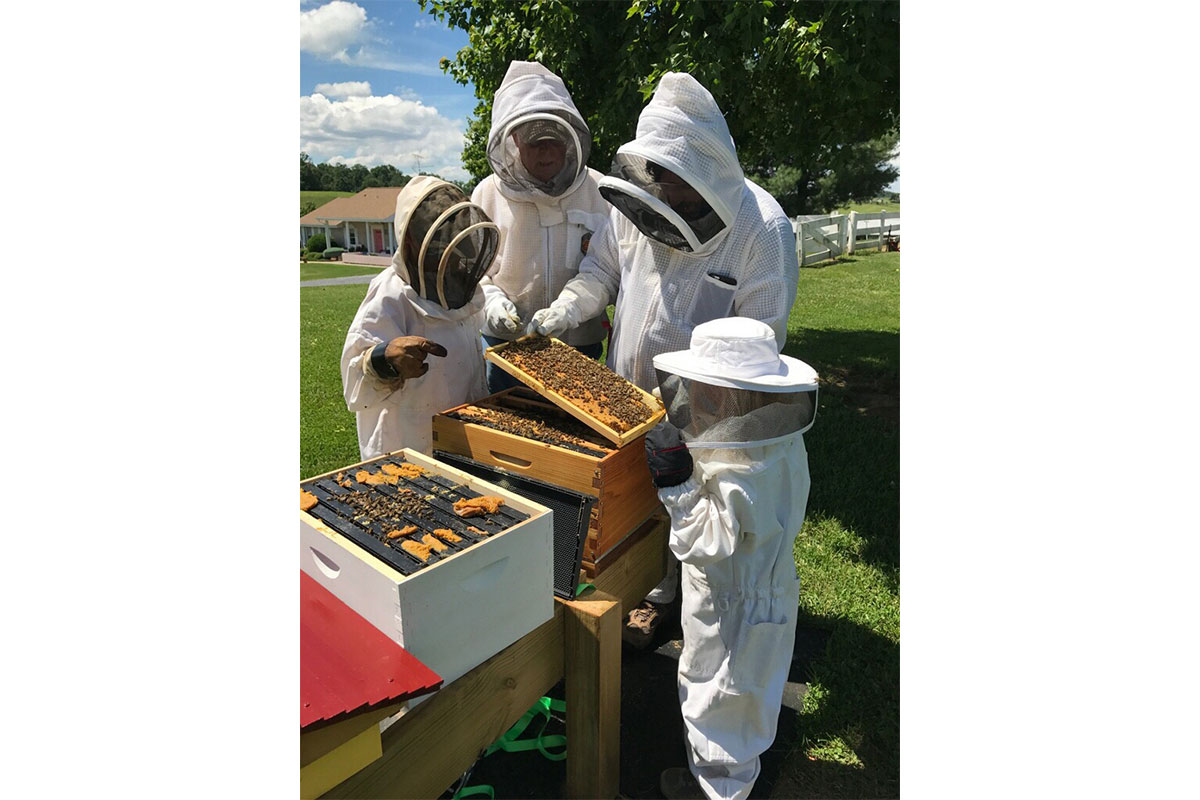
It’s OK to be a novice, but it can still be dangerous. According to Hollen, it comes down to not only knowing bee behavior, but also your own behavior. Interested beekeepers and pollinator advocates need to know the importance of protective behaviors rather than reactive ones (like your initial instincts to flee from them or swat at them—those should be avoided).
“Keep [the hives] away from pesticides (or simply don’t use them at all), prevent them from overcrowding their space and do everything you can to avoid a swarm,” Hollen says.
Otherwise with high hopes, this project hopes to do more than just simply help people raise bees, it hopes to reach the public through knowledge that the office is willing to provide to whomever is interested.
Getting to know the basics of helping, rather than hurting, vulnerable pollinator species that are quintessential to Virginia’s agriculture and overall plant health is just the beginning of creating a more positive outlook for the future.
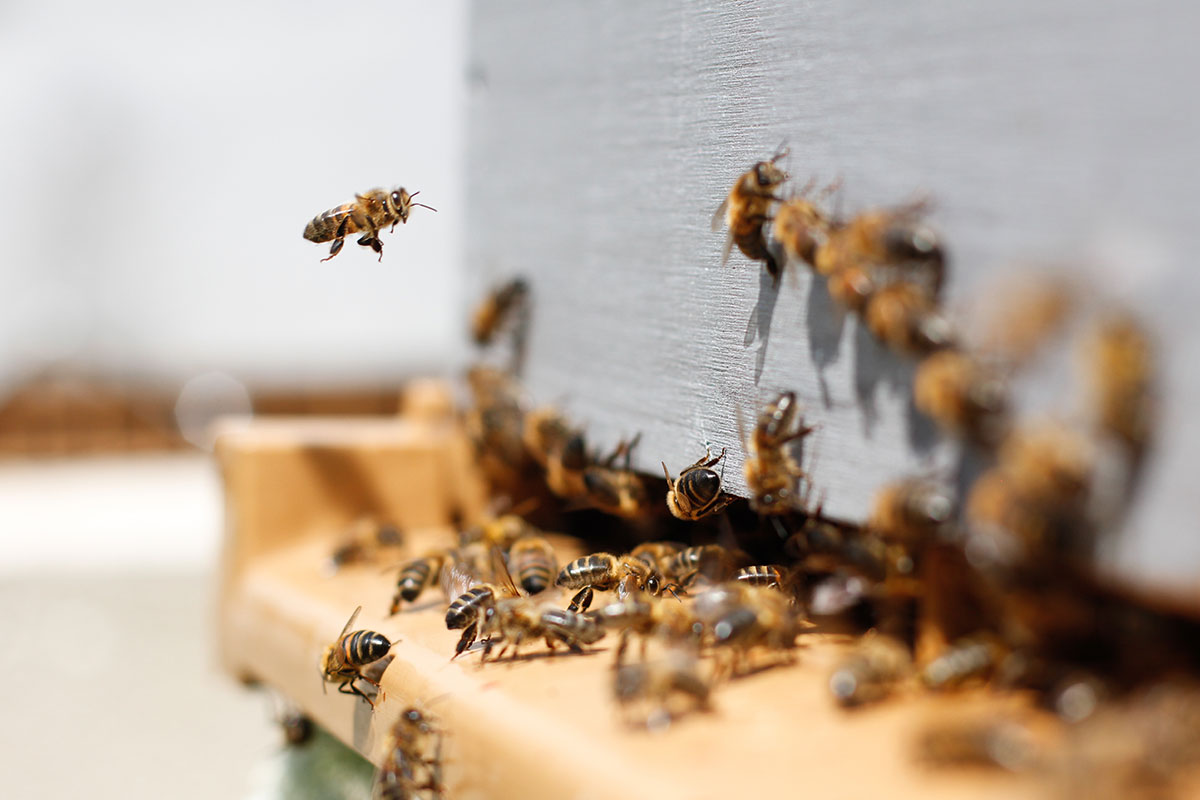
“People need to know the basics,” Lidholm says. For example, when asked the primary goal of bees, Lidholm says, most people will say to make honey. But that’s actually a side effect of their real job, which is pollination, and directly impacts all crops and plant species (especially those such as apples, watermelon, squash and berries that grow across the state). “So, we want to use this time [in the spotlight] to educate consumers about how to protect pollinators overall, how to attract them to your yard safely, and about all of the benefits they provide to our state.”
Lidholm continues, “One out of every three bites of food on a person’s plate each day is made possible because of a pollinator,” and Virginia farmers rely heavily on the pollinator’s activity and support. Agriculture is the state’s largest private industry with an economic impact of $91 billion.
That’s why VDACS is so passionate about being the go-to source for information on the importance of pollinators in Virginia. It wants everyone to know that the types of flowers you plant, the pesticides you use and the more knowledge you have, all greatly influence the state’s pollinators (ranging from the birds to the bees).
“There is just pure amazement [in beekeeping],” Hollen says. “[I believe] you can’t get familiar with bees, know and understand how they operate or see how they interact with each other without feeling the presence of a divine power.”
To learn more about VDACS Beehive Distribution Program, visit vdacs.virginia.gov. For a lengthy list of local beekeepers associations across the state of Virginia, visit virginiabeepers.org.