Agriculture specialists at Dulles intercepted two insect pests that could have posed serious threats to crops in the area, according to a news release from U.S. Customs and Border Protection.
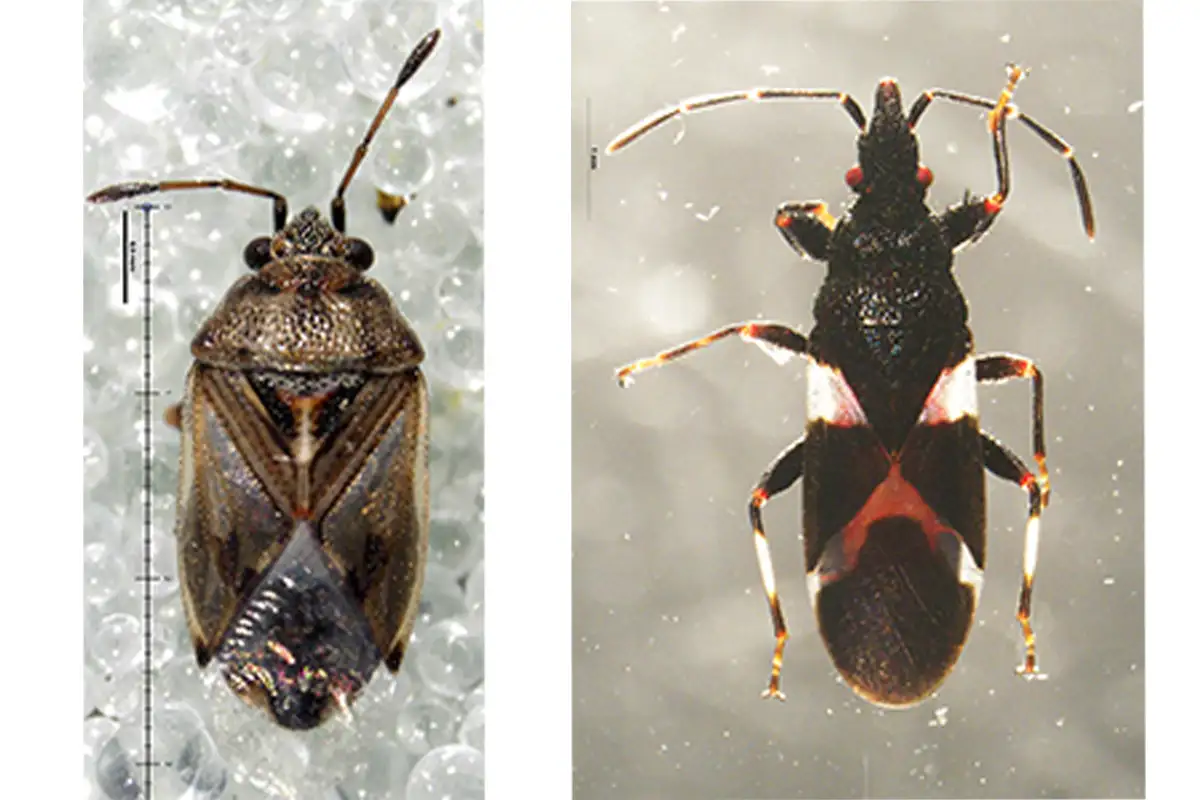
One of the insects, Caprhiobia sp. (Lygaeidae), had never been seen in the region before, while the other, Oxycarenus maculatus, or the protea seed bug, had not been seen in 40 years.
Customs agriculture specialists were inspecting a shipment of 188 protea and chamelaucium cut-stem flowers from South Africa, which were set to go to King George County, on October 7 when they discovered the pests. Customs then sent the specimens to the U.S. Department of Agriculture, which identified them.
Caprhiobia sp. (Lygaeidae) is a plant bug from South Africa that “has a voracious appetite and causes extensive damage to vegetation,” according to the news release.
Oxycarenus maculatus is a crop pest that “poses a serious threat to our nation’s crop industries, such as corn, grains, wheat, cotton, fruit, tree nuts, and vegetables.” It has not been in the region since November 1984.
“Invasive insect pests pose a severe threat to our agricultural industries and to our nation’s economic security,” said Marc Calixte, CBP’s area port director for the Area Port of Washington, DC. “Customs and Border Protection agriculture specialists remain steadfast on our nation’s frontline protecting our natural and agricultural resources from invasive pests and plants, and from animal and plant diseases that could cripple our nation’s economy.”
CBP agents regularly inspect imports, including flowers, to ensure that they’re free of invasive pests. On a “typical day” in 2023, customs agents seized 3,287 prohibited plant, meat, animal byproducts, and soil and intercepted 231 insect pests across the country.
Feature image of Caprhiobia sp. (Lygaeidae) (left) and Oxycarenus maculatus (right) courtesy U.S. Customs and Border Protection
For more stories like this, subscribe to Northern Virginia Magazine’s News newsletter.